

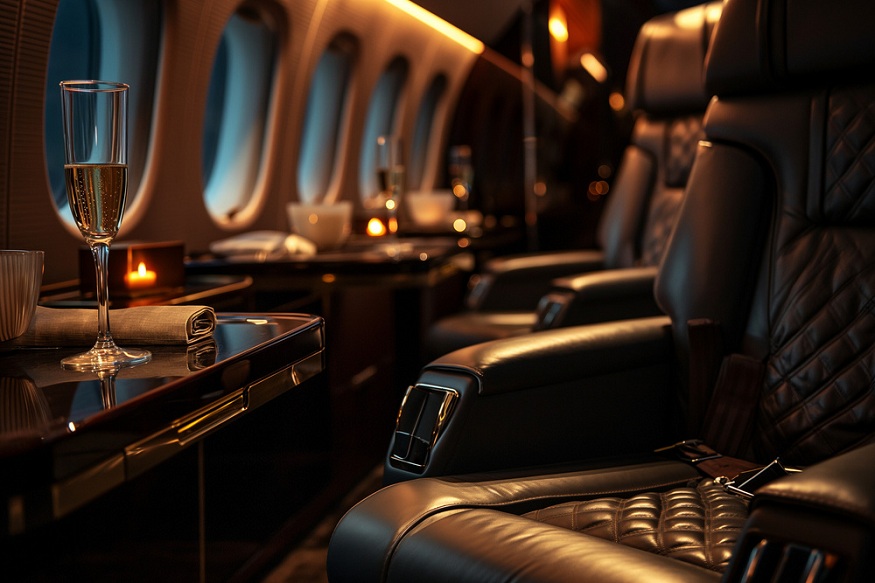
Private jets serve multiple purposes beyond executive travel. They transport patients, response teams, and officials on urgent missions. Some flights last thirty minutes. Others stretch across oceans. The cabin that works for a quick business hop might fail completely on a twelve-hour medical transport. Designers strive for spaces that seamlessly transition between uses.
Space Planning in Confined Environments
You can’t cheat physics in an aircraft cabin. The tube is only so wide. The ceiling is only so high. But people come in different sizes with different needs. A basketball player needs legroom. A medical team needs equipment space. Business travelers want tables for laptops. Start measuring people and watch the puzzle pieces fall into place. Or not. That perfect seat layout blocks the emergency exit. Those storage bins hang too low for anyone over five-foot-ten. The coat closet door swings into the bathroom door. Back to the drawing board.
Read More: Perfect Occasions to Celebrate on a Dhow Cruise
Smart designers build flexibility into their plans. Floor tracks let seats slide forward and backward. Some seats come out entirely. Tables fold into walls. Yesterday’s eight-passenger corporate layout becomes today’s four-passenger setup with a conference table. Tomorrow it might haul cargo. The cabin changes faster than a movie set between scenes.
Private jets fly multiple missions, sometimes on the same day. Morning medical transport. Afternoon corporate shuttle. Evening family vacation. Each group expects something different when they board. Modular interiors make these transformations possible without tools or technicians.
Technology Integration Without Overwhelming Users
Private jet passengers expect seamless connectivity and entertainment. They need general equipment and simple instructions. They want their office at 40,000 feet. So designers hide the complexity. Power outlets pop out of armrests with a gentle push. Wi-Fi connects automatically. Screens drop from the ceiling via remote control. The cabin management app on their phone controls lights, temperature, and window shades. No hunting for switches. No reading manuals.
But restraint matters. Too many screens make cabins feel like Best Buy. Too many buttons confuse rather than help. The best technology stays invisible until needed, then works without thinking. Passengers should forget they’re in an aircraft, not struggle with unfamiliar systems.
Ergonomic Considerations for Extended Travel
Bodies rebel during long flights. Backs ache. Legs cramp. Necks get stiff. Good aircraft seating fights back against these problems, with companies like LifePort pioneering supportive designs from their medical transport experience that keep anyone comfortable for hours.
The secret lies in adjustability. Lumbar supports that actually reach your lower back. Armrests that move where your arms naturally rest. Footrests that let shorter passengers plant their feet. Headrests that adjust both up and tilt. Small tweaks add up to huge comfort improvements over time.
Read More: “How to Plan the Perfect Weekend Getaway Without
Tables need the same attention. Too high and shoulders hunch. Too low and backs bend. The sweet spot lets passengers type on laptops without strain. Good lighting prevents squinting at documents. Cup holders keep drinks secure during turbulence. Storage slots hold phones where they’re visible but secure. Every detail either adds comfort or creates annoyance; there’s no neutral.
Conclusion
Private aircraft interiors succeed when passengers forget about the design entirely. They sit comfortably, work efficiently, and arrive refreshed. Behind that effortless experience lie thousands of decisions about materials, dimensions, and features. Designers obsess over details passengers never consciously notice but would definitely miss if absent. As private aviation grows beyond traditional luxury markets, these cabins must work harder than ever. Medical flights demand different features than corporate travel. Government missions have unique requirements. Family trips need kid-friendly touches. The challenge never stops evolving. It pushes designers to create spaces that transform between roles while keeping everyone safe, comfortable, and productive in that aluminum tube racing through the sky.